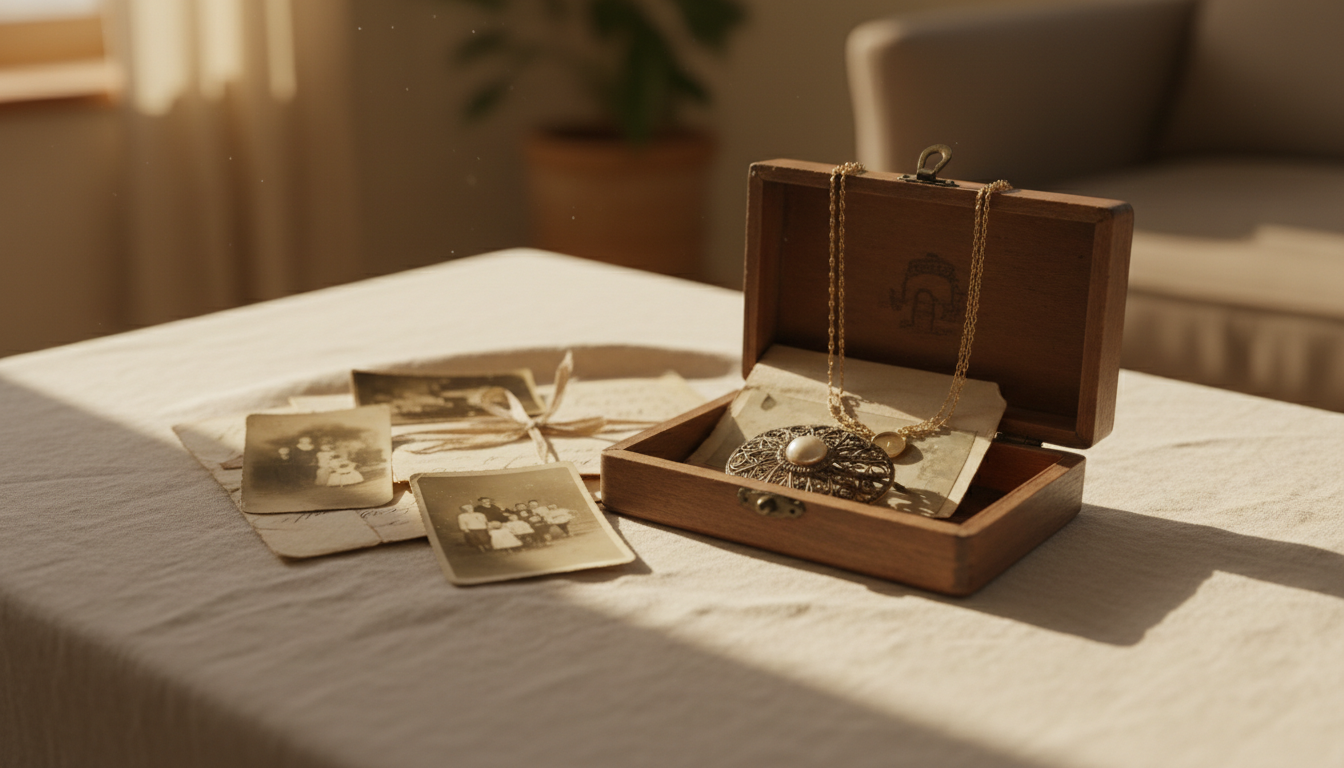
When someone passes away, the jewelry they leave behind often carries memories beyond its monetary value. For families in The Woodlands, Texas, deciding what to do with inherited jewelry can feel overwhelming. A thoughtful approach helps preserve sentimental meaning and avoid rushed decisions.
1. Begin by Gathering and Protecting the Jewelry
A Family Decision Checklist
- Photograph each piece before dividing or selling it.
- Set aside keepsakes family members want to retain.
- Keep certificates, receipts, and appraisals with matching pieces.
- Confirm who is legally authorized to act for an estate or trust.
- Seek a professional evaluation before assuming an item’s resale value.
For details about precious-metal identification, see our published inherited jewelry guide.
When Several Family Members Are Involved
When several relatives are involved, agree on a transparent process for documenting and discussing the collection before distributing any pieces. The executor, trustee, or other legally authorized person should verify the governing estate documents; family agreement alone may not establish authority. If instructions are unclear or ownership is disputed, seek qualified legal guidance before transferring property.
If you have legal authority, gather jewelry in a secure place and keep collections organized. Do not discard broken chains, single earrings, or outdated designs. Follow applicable estate instructions before moving, distributing, or selling property.
2. Create a Simple Jewelry Inventory
Photograph each piece and record its type, visible markings, gemstones, condition, known family history, and any receipts or appraisals. You do not need to identify every material immediately; the goal is to document what exists.
3. Separate Sentimental Value From Financial Value
Consider which items the family wants to preserve, which need evaluation, and which might eventually be sold by an authorized decision-maker. Sentimental meaning and financial value are different, and there is no need to rush.
4. Look for Important Documents
Receipts, jewelry appraisals, gemstone grading reports, insurance records, and photographs may provide useful context. Older insurance replacement values do not necessarily reflect current resale offers or estate appraisal values.
5. Don’t Assume Old or Broken Jewelry Has No Value
A broken clasp, missing stone, or outdated design does not mean a piece lacks precious-metal content. Vintage and designer items may also warrant examination beyond their metal value.
6. What if Family Members Disagree?
A transparent inventory and clear communication can reduce confusion. The executor or other legally authorized representative should follow the will and applicable law. A precious-metals buyer can identify materials but cannot determine legal ownership or settle estate disputes.

7. When Should Inherited Jewelry Be Professionally Evaluated?
Evaluation can be useful for unfamiliar markings, uncertain metal composition, broken pieces, or collections the family may sell. A potential buyer’s evaluation is different from a formal estate or tax appraisal; consult a qualified independent appraiser and legal or tax professional when required.
8. Should You Clean or Repair Inherited Jewelry First?
Usually it is best to wait. Aggressive polishing, chemicals, or repairs may damage delicate or antique pieces. Store jewelry safely and seek guidance before altering it.
9. Deciding What to Keep, Share, or Sell
Some pieces become keepsakes; others may be shared with relatives or sold when legally permitted. Understanding the collection first can make decisions easier.

Inherited Jewelry? Know Your Options.
(713) 568-2468 Ext. 202
Ask for Gina
10. Selling Inherited Jewelry in The Woodlands, TX
At GoldWiser, professional precious-metal evaluations can help customers learn more about gold, silver, platinum, and other eligible items before deciding whether to sell. For related guidance, see How to Organize Inherited Jewelry and Coin Collections Before Selling and What to Do With Inherited Gold and Jewelry in The Woodlands, TX.
Questions about inherited jewelry? Call (713) 568-2468 Ext. 202 — Ask for Gina.
Frequently Asked Questions
Do I have to sell inherited jewelry? No. The decision depends on the owner’s wishes, estate arrangements, and applicable legal requirements.
Should inherited jewelry be appraised before selling? It depends. Estate, insurance, or tax purposes may require an independent qualified appraisal rather than a buyer’s evaluation.
Is broken inherited gold worth evaluating? Yes. Broken pieces can still contain precious metals.
Can family members divide jewelry themselves? Distribution must follow the will and applicable law; consult the estate representative if uncertain.
Should I clean antique jewelry before selling? Avoid aggressive cleaning or alterations before examination.
What if I don’t know whether it is real gold? Look for markings without damaging the piece and consider professional testing.
You must be logged in to post a comment.